
When Breathing Feels Challenging, use THIS yoga technique
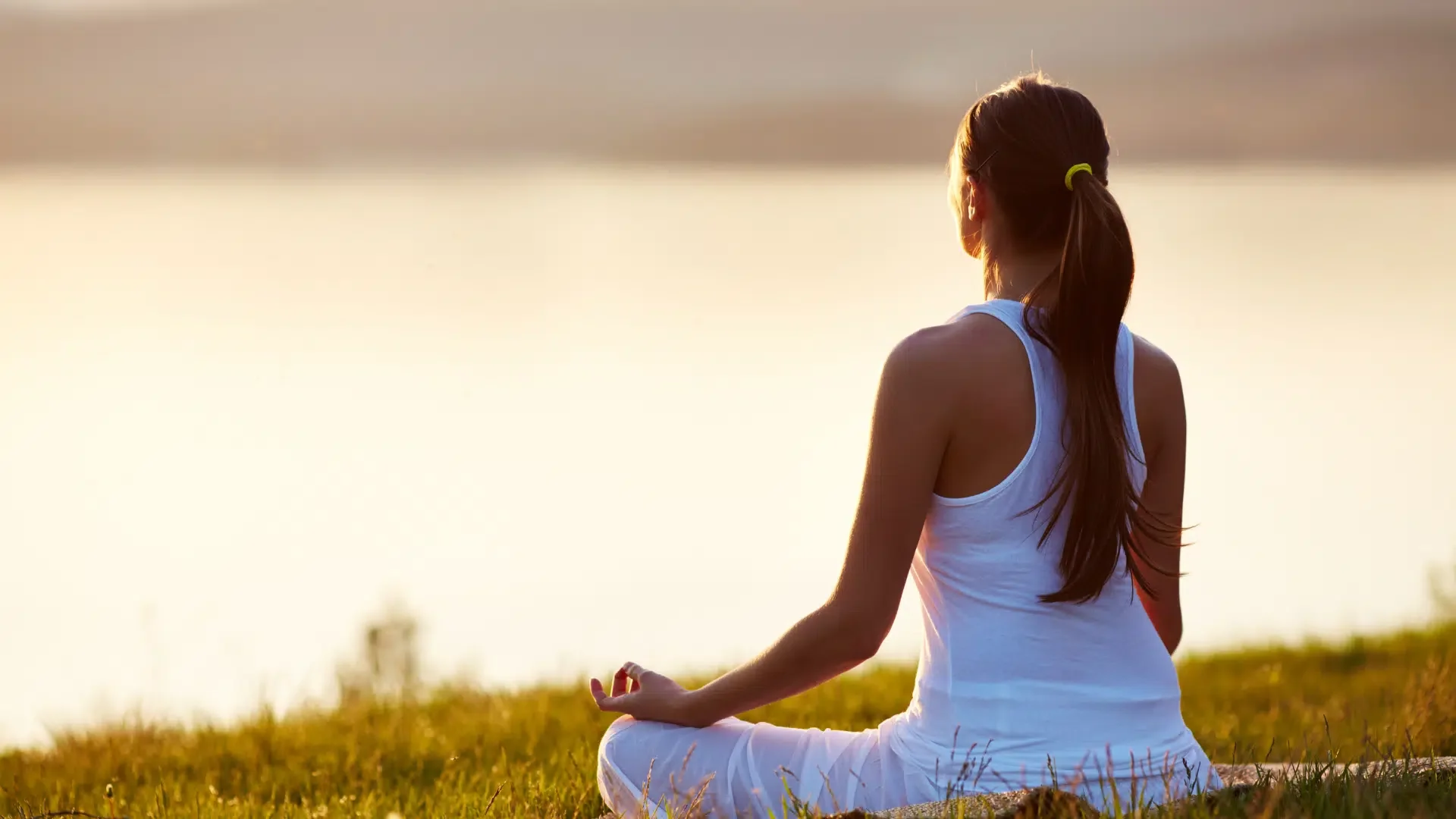
Have you ever tried to breathe deeply… and felt like you just couldn’t?
Maybe your chest was tight.
Maybe your thoughts were racing.
Maybe it felt like no matter how much you knew you were safe, your body didn’t get the message.
You’re not a mess.
You’re not doing anything wrong.
Your nervous system is simply trying to protect you — and it’s stuck in overdrive.

This stress lives in the body, not just the mind. And that’s exactly why therapeutic yoga can help—it meets your system where it’s at, without pressure.
For many women I work with — especially high-achieving, sensitive women who care for everyone else — this is a common experience. When we’ve been taught to push through, perform, and stay busy, the idea of slowing down and feeling our bodies can feel… uncomfortable. Scary even.
Why Breath Feels Impossible Under Anxiety
Your nervous system can shift into a chronic survival mode before you even register it. Your chest tightens. Your breathing becomes shallow. And no amount of logic or positive thinking is going to fix that — because your body doesn't feel safe.
That’s where grounding first with movement, extended exhalations, and gentle breath work come in: they retrain your biology toward safety, rather than performance.
Listen to the Full Conversation on More Than Anxiety
I had the honor of sitting down with Megan DeVito on the More Than Anxiety podcast, where we dug deep into nervous-system friendly yoga, breath work, and why emotional resilience starts with the body. We explore:
Why many of us were never taught to feel our emotions & listen to our bodies
How breath work can worsen anxiety if you’re not supported
The power of pairing mindful, slow movement with conscious breathing
Sending care, through your breath, to your right big toe — yes, really 🙃
🎧 Listen here:
Ep 141 – Manage Anxiety with Breathwork & Yoga with Cathy Eades (Buzzsprout)
📺 Prefer to watch?
We weren’t taught how to feel these things.
We were taught to move faster, do more, and push through.
But the truth is: the body needs to feel safe before it can relax. That’s why jumping straight into meditation or breath-work can feel intolerable for some people — especially when the nervous system is already overstimulated.
How Therapeutic Yoga Supports Nervous System Recovery
When I work with clients, we start by building safety in the body. My approach weaves together Ayurvedic principles, breath awareness, gentle movement, and guided relaxation.
This is not one-size-fits-all yoga. It’s personalized support for your nervous system.
Here’s what we use:
Guided breath-work (like my “Stress Slayer” practice) to signal calm
Grounding postures and slow movement to reconnect with the body
Touch-based awareness (like placing a hand on your chest) to settle the system
Guided Relaxation (yoga nidra) for deep rest & nervous system recovery
Chanting or humming to stimulate & soothe the vagus nerve (yes, humming counts!)
Over time, these practices help improve vagal tone, strengthen your body’s resilience, and create a calm you can access — even in moments that used to feel overwhelming.
Join the Summer Six Pack — Personalized Yoga for Your Nervous System
If you're ready to move past breathlessness and back into your life, the Summer Six Pack might just be your path.
This is a six-session, private yoga program created just for you—to build resilience in a way that fits your body, brain, and lifestyle.
You’ll walk away with:
Tools for better breathing and sleep
Practices that strengthen stress resilience
Simple, day-to-day routines that rebalance your nervous system
Support for immunity, energy, and emotional clarity
📆 Open slots:
July — 3 spots
August — 5 spots
Want to see if this fits?
Save your spot here.
You don’t have to push through or fix it all.
You just need a way to reconnect with your body + breath
When you’re ready, I’m here.
