
Relieve Stress and Reduce Anxiety with Breath
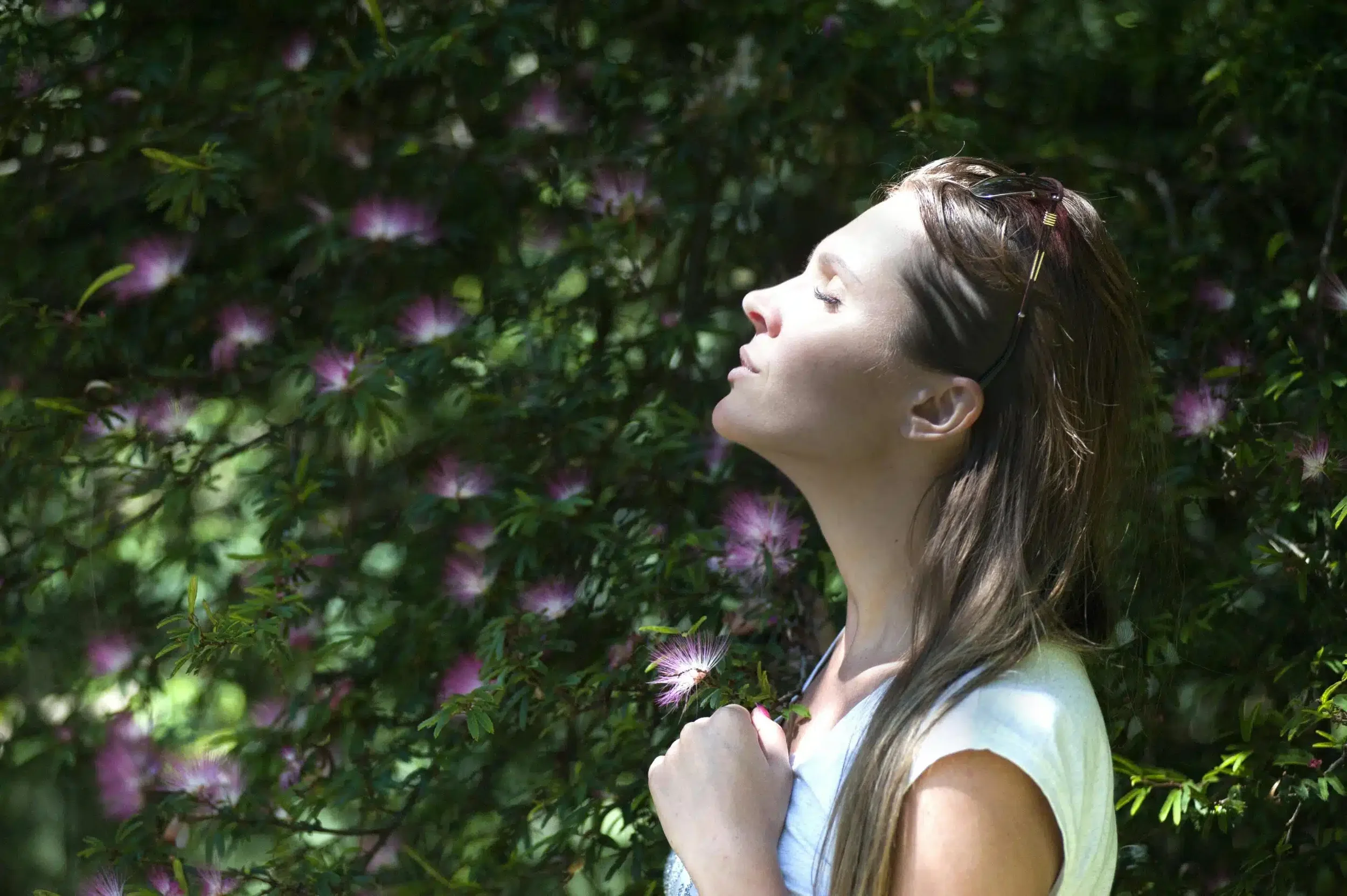
I've found that one of the fastest ways to calm stress and reduce anxiety is by mindfully and gently controlling the breath.
Now, not all methods of stress and anxiety reduction work for all people.
We are unique individuals with unique bodies, minds, spirits and life experiences. I have some clients who opt out of breath work for a variety of reasons. For those who find this method of self soothing effective though, it's been a game changer.
When we take a few minutes to bring our attention to our breath and:
focus on evening out the pacing of each inhale and exhale
silently count to six on each in breath and count to 6 with each out breath
notice the physical sensations as we feel the air enter the nostrils, travel down the windpipe and fill up the lungs
then notice the bodily movements as the air makes its exit
feel the expansion and energizing nature of the inhale, and the contraction and relaxation on the exhale...
...all that focused attention on the breathing "stuff" helps draw our thoughts away from all those stressful, anxious thoughts running amok in our head and brings us back down into our bodies where we can begin to ground ourselves in the stability of our physical being.
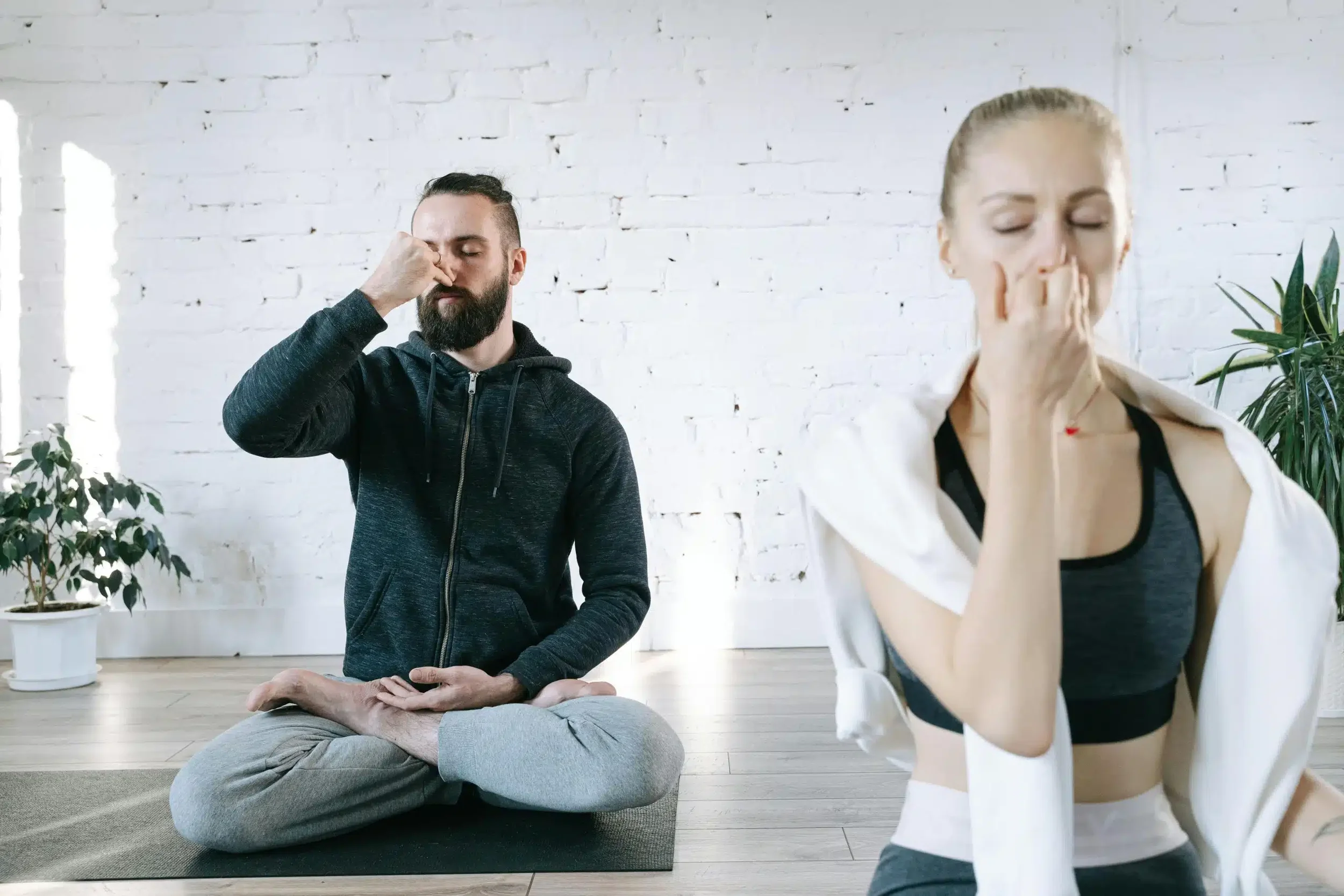
Alternate nostril breathing balances the energy in mind and body
From an Ayurvedic perspective we are shifting away from vata dosha that is getting imbalanced (anxious, racing thoughts are an indication of vata disturbance) and increasing our kapha dosha awareness (kapha is dense, stable, grounding).
So we can use our breath and body to bring our mind and spirit back into balance, and regain our natural peaceful state.
If you're like me, you might like some scientific data to back up these claims about rebalancing the nervous system and such. Here ya go. There are hundreds of studies on the efficacy of breath work. If you want to read more on that topic The National Center for Biotechnology Information is a great source.
Pairing your yoga practice with mindful breathing (pranayama) can amplify its calming effects. Before or after your asana practice you might try deep belly (diaphragmatic) breathing as described above, or alternate nostril breathing (Nadi Shodhana) to get centered for your yoga practice, or prepare to re-enter the rest of your day really balanced after a more intense yoga practice.
Until next time, I encourage you to breathe mindfully, deeply, fully and joyfully as often as you can.

P.S. If stress or anxiety are making life feel out of control, or causing you pain, book a free 30 min. custom stress relief session with me and we'll walk through some simple mindful movement and breathing to help you feel better fast, and I'll share how you can learn to make that feeling last.
