
5 Easy Ayurvedic Fall Cleanse Recipes to Support Digestion
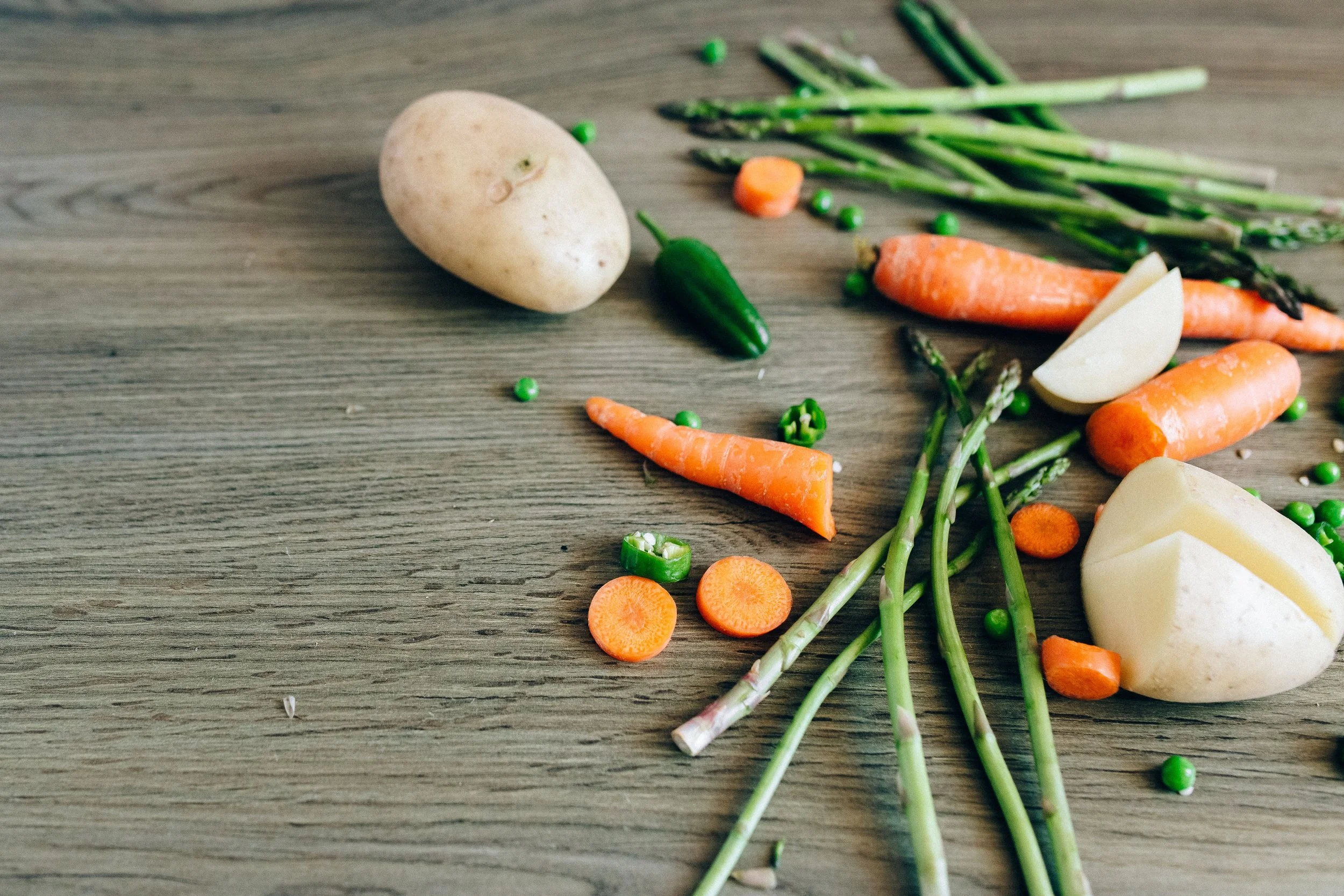
adding carrots, potatoes and asparagus to your soups and stews helps balance vata dosha (chilis & green peas are not as easy on digestion)
A seasonal cleanse doesn’t have to mean fasting or feeling deprived.
In Ayurveda, a gentle cleanse can simply mean giving your digestive system a break by choosing warm, freshly prepared, easy-to-digest foods made with simple whole-food ingredients.
Each day of a cleanse, I’d recommend one meal is made up of the gut-healing, digestion-balancing cleanse classic…
Kitchari: The Classic Ayurvedic Cleanse Recipe
** Start this recipe by soaking the beans and rice together overnight to make it even easier to digest and quicker to cook
Ingredients
1 Cup yellow split mung beans (yellow split dal)
1/2 Cup basmati rice
1 Tbsp ghee
6 cups (approx.) water
1/2 to 1-inch ginger root, chopped or grated
A bit of mineral salt (1/4 tsp. or so)
1/2 tsp. coriander powder
1/2 tsp. cumin powder
1/2 tsp. whole cumin seeds
1/2 tsp. mustard seeds
1/2 tsp. turmeric powder
1 pinch asafoetida (hing) - optional. Hing aids digestion and has a *very* strong smell.
Handful of fresh cilantro leaves
1 and 1/2 cups assorted vegetables (optional)
Directions
1) Soak rice and split lentils/mung dal in 4 cups water overnight.
If not time to soak overnight you can wash them in a couple changes of water for about 5 minutes.
2) Rinse the beans/rice in a fine mesh strainer or colander.
3) Add water to the rice and dal and cook covered until soft, around 20 minutes.
4) Meanwhile, if adding veggies to suit your primary doshic constitution, cut them into small pieces - about 1/4 to 1/2 inch thickness
5) Add the vegetables to the cooked rice and dal mixture and cook 10 minutes longer.
6) In a separate saucepan, sauté the seeds in the ghee until they just begin to pop.
7) Add the other spices. Stir together just until you can begin to smell their aroma - usually this only takes 20-30 second (or less - don't let them burn).
8) Stir the sautéed spices into the cooked dal, rice, and vegetable mixture. Add some mineral salt, pepper and top with fresh cilantro to serve.
During cleanse days, you may want to make life simpler and easier by preparing enough of one dish for lunch so that you can have the leftovers for dinner the same evening.
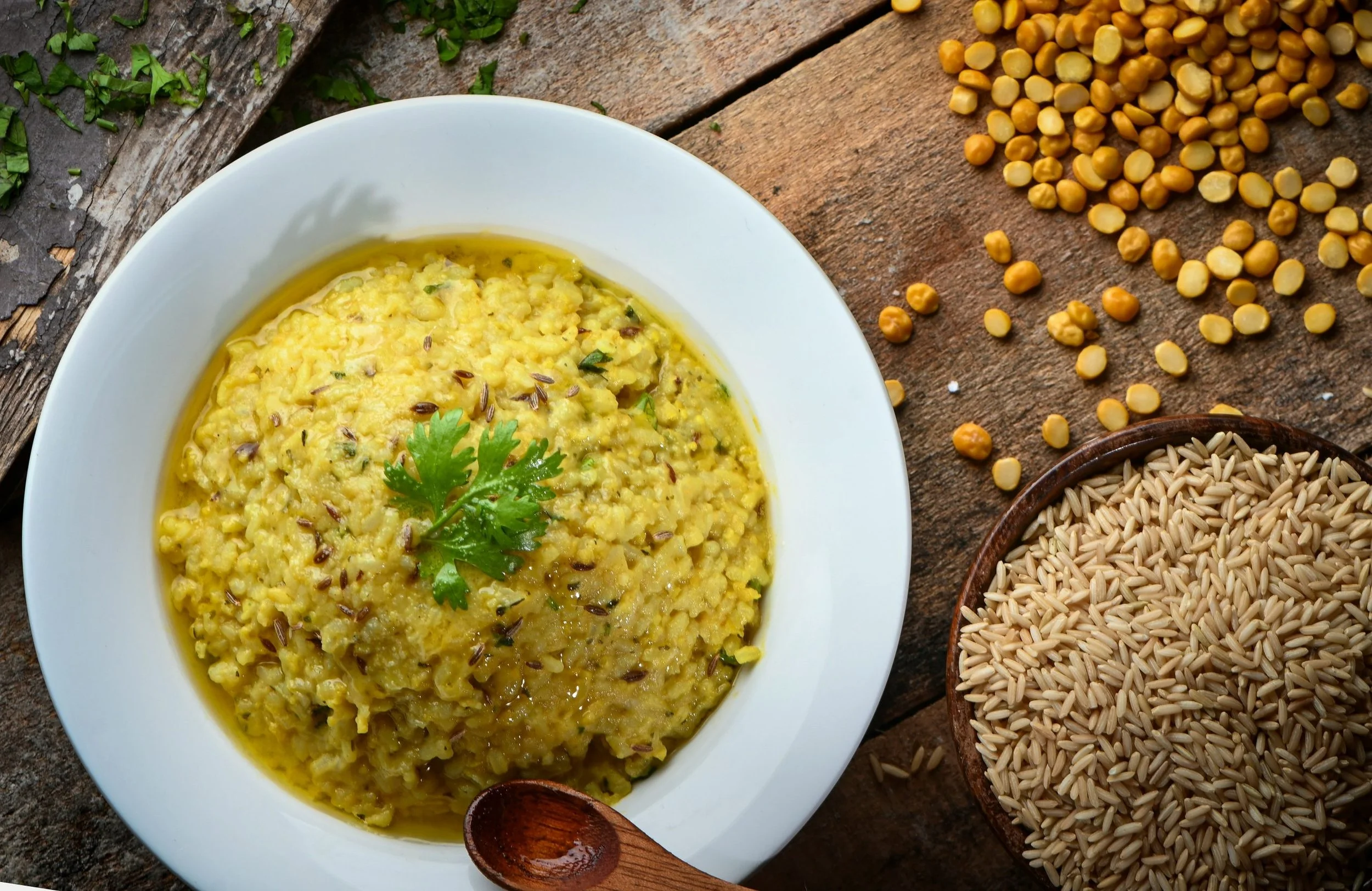
yellow mung dal and basmati rice make the base of the classic Ayurvedic kitchari (aka kichdi) that provides a gentle cleanse for your digestive system when ever consumed
The five soups, stews and porridges below feature quinoa, millet, amaranth or red lentils along with seasonal vegetables and mild Ayurvedic spices. They are intentionally simple, warming and nourishing, making them especially well suited for the transition into the cooler fall season.
(if cleansing from winter into spring, use spring seasonal veggies and more pungent, warming spices to balance the Kapha dosha of that season)
Golden Quinoa & Fall Vegetable Soup
Serves 4
Ingredients
½ cup quinoa, rinsed
1 tablespoon ghee
1 teaspoon cumin seeds
½ teaspoon ground coriander
½ teaspoon turmeric
½ teaspoon freshly grated ginger
2 carrots, diced
1 small zucchini, diced
1 cup butternut squash, diced
4–5 cups water or mild vegetable broth
½ teaspoon mineral salt, or to taste
1 cup chopped spinach or chard
Directions
Warm the ghee in a soup pot over medium-low heat. Add the cumin, coriander, turmeric and ginger and gently warm for about 30 seconds, just until fragrant.
Add the carrots, zucchini and butternut squash and stir for 1–2 minutes to coat the vegetables with the spices.
Add the rinsed quinoa and 4 cups of water or broth. Bring to a gentle boil, then reduce the heat, cover and simmer for 20–25 minutes, or until the quinoa and vegetables are very soft.
Stir in the spinach or chard during the final 3–5 minutes of cooking. Add additional hot water as needed to create a light, soupy consistency.
Ayurvedic Benefit
Quinoa provides a light but satisfying base, while well-cooked squash, carrots and zucchini add moisture and grounding nourishment. Traditionally, Ayurveda uses cumin, coriander, turmeric and ginger to support agni, or digestive capacity. The warm, moist preparation is particularly appropriate during the cool, dry qualities of fall, when Vata dosha naturally tends to increase.

squashes of all kinds are great additions to vata pacifying soups and stews because they are dense, moist and full of nutrients too
Creamy Red Lentil, Carrot & Squash Stew
Serves 4
Ingredients
¾ cup red lentils, rinsed well
1 tablespoon ghee
1 teaspoon cumin seeds
½ teaspoon ground coriander
½ teaspoon turmeric
½ teaspoon freshly grated ginger
2 carrots, diced
1½ cups butternut squash or sweet potato, diced
5 cups water
½ teaspoon mineral salt, or to taste
Fresh cilantro for garnish, optional
Directions
Warm the ghee over medium-low heat. Add the cumin, coriander, turmeric and ginger and gently sauté for about 30 seconds.
Add the carrots and squash or sweet potato and stir briefly.
Add the rinsed red lentils and water. Bring to a boil, skimming away any foam that rises to the surface.
Reduce the heat and simmer gently, partially covered, for 30–35 minutes. The lentils should begin to dissolve and the vegetables should become very soft.
Add additional hot water if you prefer a thinner consistency. Season with mineral salt and garnish with fresh cilantro, if desired.
Ayurvedic Benefit
Red lentils cook down into a soft, creamy consistency that can make them easier to digest than many larger legumes. Carrots, squash and sweet potatoes contribute naturally sweet, grounding qualities. Cumin, coriander, turmeric and ginger are traditionally used in Ayurveda to encourage comfortable digestion and help balance the heaviness that legumes can sometimes create.
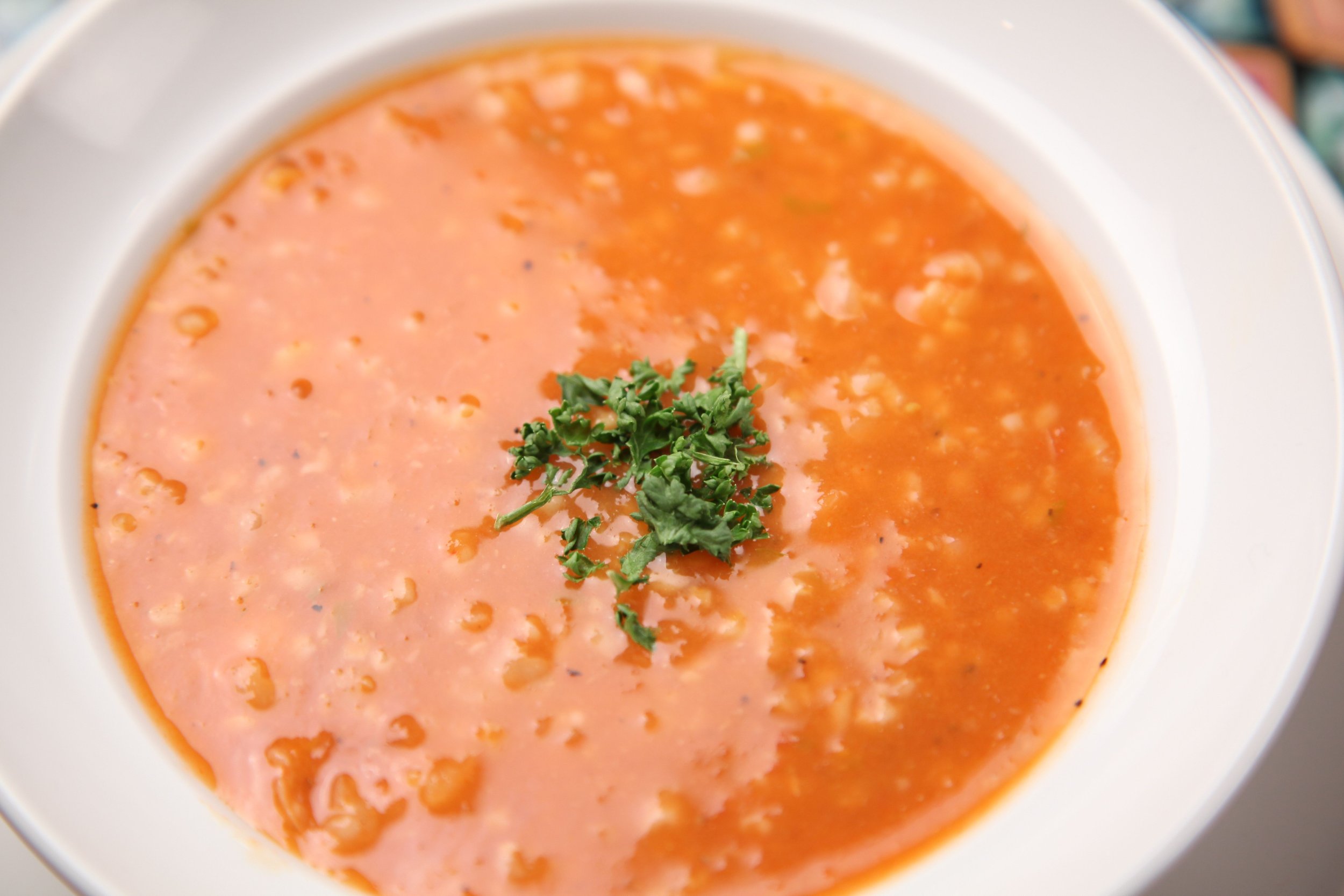
This red lentil soup is colorful, easy on the digestive system, balancing for vata dosha & packed with protein, fiber, iron and folate
Gentle Millet, Sweet Potato & Fennel Soup
Serves 4
Ingredients
½ cup millet, rinsed and preferably soaked for 2–4 hours
1 tablespoon ghee
½ teaspoon cumin seeds
½ teaspoon fennel seeds
½ teaspoon ground coriander
¼ teaspoon turmeric
1 small sweet potato, peeled and diced
2 carrots, diced
1 small zucchini, diced
5 cups water
Mineral salt to taste
Directions
Drain the soaked millet and rinse well.
Warm the ghee in a soup pot over medium-low heat. Add the cumin, fennel, coriander and turmeric and gently warm until fragrant.
Add the sweet potato, carrots and zucchini and stir briefly.
Add the millet and water. Bring to a gentle boil, reduce the heat, cover and simmer for approximately 30–35 minutes.
Cook until the millet is very soft and the vegetables can easily be broken apart with a spoon. Add additional hot water during cooking if the soup becomes too thick.
Season with mineral salt to taste.
Ayurvedic Benefit
Millet is naturally light and somewhat drying, so combining it with ghee, plenty of cooking liquid and soft root vegetables creates a more balanced preparation for fall. Sweet potato and carrots contribute grounding and nourishing qualities, while fennel, cumin and coriander are traditionally valued in Ayurveda for gently supporting digestion without creating excessive heat.
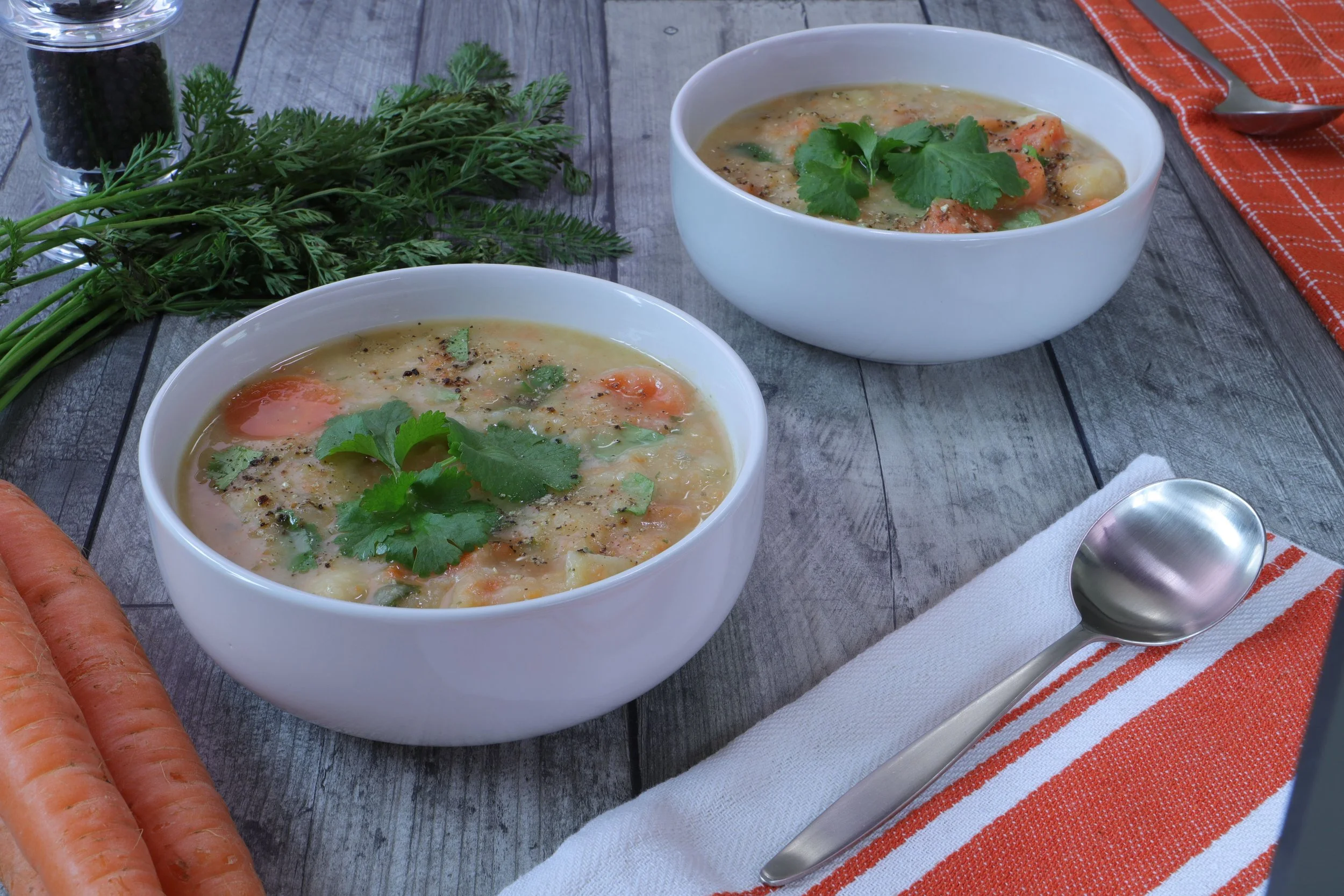
root vegetables are dense in fiber, structure and nutrients which all help to calm and ground vata dosha
Savory Amaranth & Butternut Squash Porridge
Serves 2–3
Ingredients
½ cup amaranth
2 cups water
1 cup finely diced butternut squash (you can also use sweet potato, fresh pumpkin or kabocha - which you don’t even have to peel - just slice into ¼ inch half moons)
1 teaspoon ghee
½ teaspoon cumin
½ teaspoon ground coriander
¼ teaspoon turmeric
Pinch of ground fennel
Mineral salt to taste
½ cup finely chopped spinach, optional
Directions
Combine the amaranth, butternut squash and water in a saucepan.
Bring to a gentle boil, then reduce the heat and simmer for 25–30 minutes, stirring occasionally. The amaranth should become soft and creamy and the squash should begin to break down into the porridge.
If using spinach, stir it in during the final few minutes of cooking.
In a small pan, gently warm the ghee with the cumin, coriander, turmeric and fennel for about 20–30 seconds. Stir the seasoned ghee into the cooked porridge.
Add mineral salt to taste and serve warm.
Ayurvedic Benefit
Cooking amaranth into a soft porridge transforms it into a warm, comforting alternative to dry grain dishes. Butternut squash contributes sweetness, moisture and grounding qualities that are particularly welcome during Vata season. Ghee adds additional richness, while the mild digestive spices traditionally help the body comfortably process the meal.
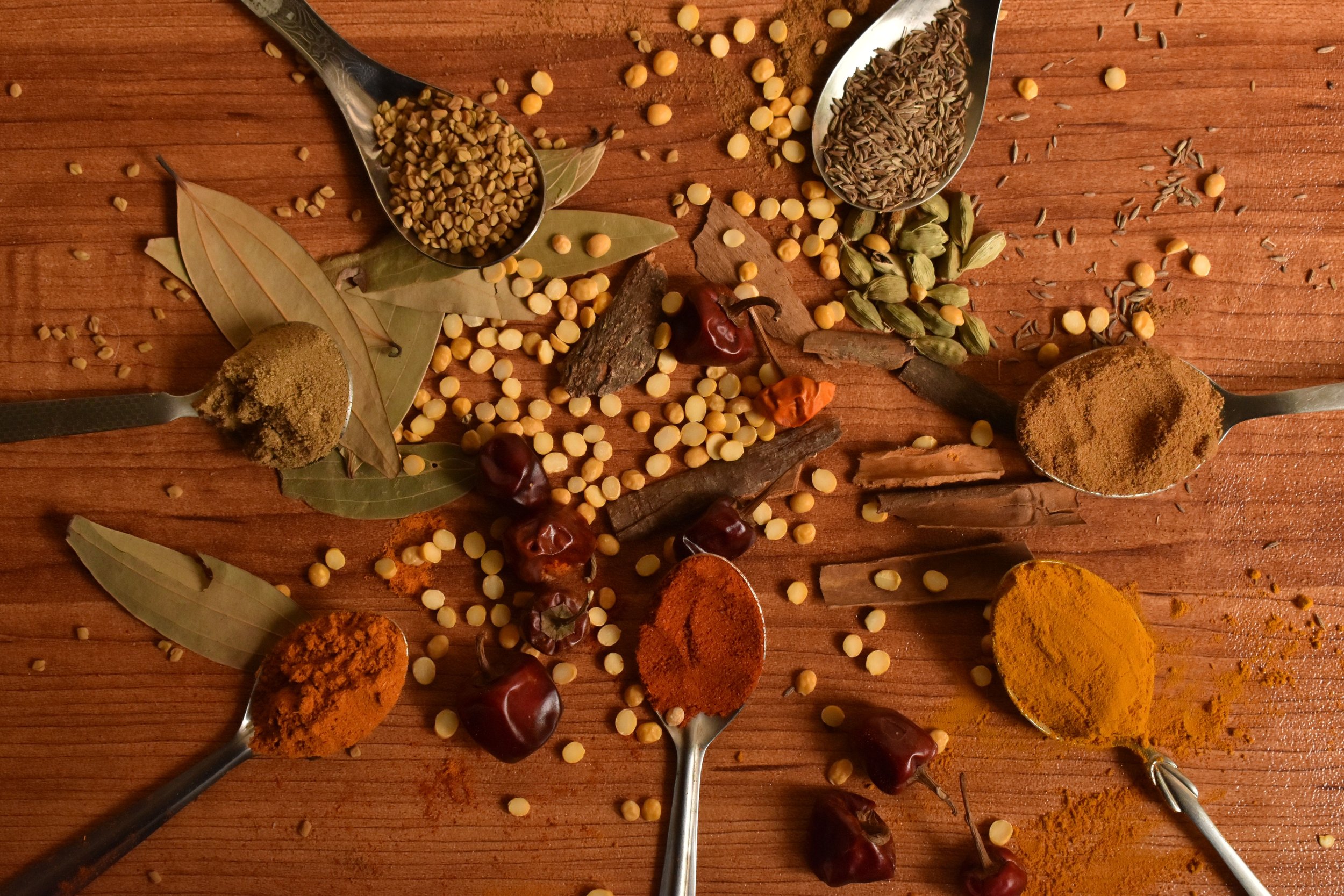
warming spices like cinnamon, turmeric, cumin, clove, ginger and cardamom all help to provide the warmth for naturally cool vata dosha
Quinoa, Red Lentil & Root Vegetable Cleanse Stew
Serves 4
Ingredients
⅓ cup quinoa, rinsed well
½ cup red lentils, rinsed well
1 tablespoon ghee
1 teaspoon cumin seeds
½ teaspoon ground coriander
½ teaspoon fennel
½ teaspoon turmeric
½ teaspoon freshly grated ginger
1 carrot, diced
1 cup sweet potato, diced
1 cup zucchini or yellow squash, diced
6 cups water
Mineral salt to taste
Fresh cilantro, optional
Directions
Warm the ghee in a soup pot over medium-low heat.
Add the cumin, coriander, fennel, turmeric and ginger and gently warm for about 30 seconds, until fragrant.
Add the carrot, sweet potato and zucchini and stir briefly.
Add the quinoa, red lentils and water. Bring to a boil, then reduce the heat and simmer gently for 30–35 minutes.
Continue cooking until the red lentils have largely dissolved, the quinoa is very soft and the vegetables can easily be broken apart with a spoon.
Add additional hot water as needed to achieve a light stew consistency. Season with mineral salt and garnish with fresh cilantro, if desired.
Ayurvedic Benefit
This simple one-pot meal combines the nourishment of quinoa with the soft, easy-to-eat texture of thoroughly cooked red lentils and root vegetables. The warm, moist preparation helps counter the cool, dry qualities traditionally associated with Vata and the fall season. Cumin, coriander, fennel and ginger are classic Ayurvedic culinary spices used to support agni and encourage comfortable digestion.
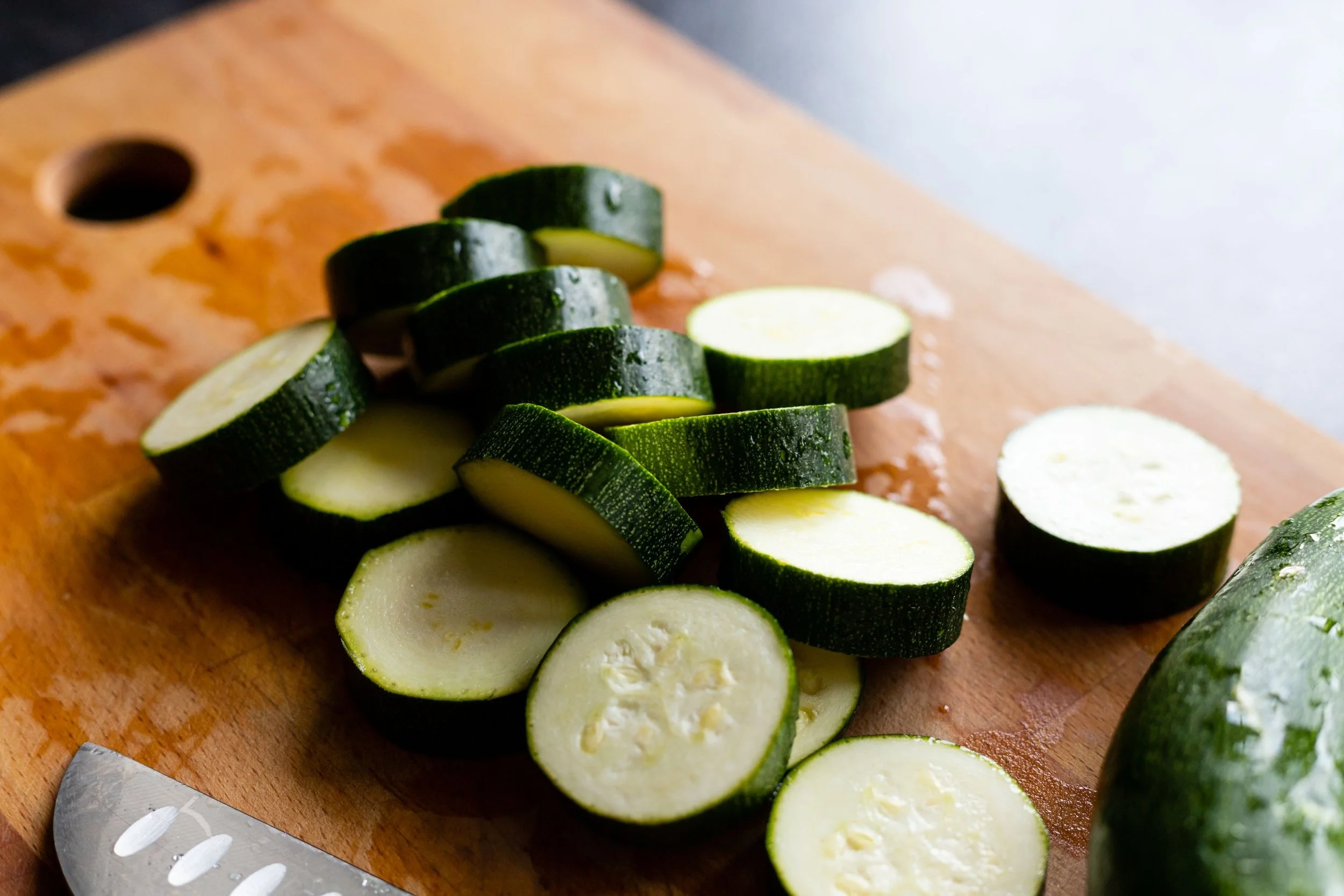
zucchini provides a moist and unctuous texture that pacifies vata
How to Use These Recipes for a Gentle Ayurvedic Seasonal Cleanse
You don't necessarily need a complicated cleanse protocol to give your body a seasonal reset.
Ayurveda teaches that the transitions between seasons can be a useful time to simplify both our food and our daily routines. Rather than focusing on restriction, think about giving your digestive system less complicated work to do.
For a few days, consider emphasizing:
Warm, freshly prepared meals
Soups, stews and soft porridges
Well-cooked seasonal vegetables
Easy-to-digest grains and legumes
Gentle digestive spices such as cumin, coriander, fennel, turmeric and ginger
Warm water and caffeine-free herbal teas
Regular meal times with adequate time between meals
At the same time, you might temporarily reduce cold and raw foods (these slow & hinder digestion), highly processed foods, very heavy meals, excess sugar and anything you already know is difficult for your body to digest.
And remember, Ayurveda is inherently individualized. What feels balancing for one person may not be the best choice for another.
How long should an Ayurvedic fall cleanse last?
A few days is enough. The goal isn't a long protocol; it's giving your digestion simpler work to do while the seasons shift. Pay attention to how you feel and stop when you feel nourished and grounded rather than depleted.
Do you have to fast during an Ayurvedic cleanse?
No. A gentle Ayurvedic cleanse means choosing warm, freshly prepared, easy-to-digest foods, not skipping meals. You eat regularly; you just simplify what's on the plate.
What is kitchari and why is it used for cleansing?
Kitchari is a simple one-pot dish of yellow split mung beans and basmati rice, cooked soft with ghee and digestive spices. It's easy on the digestive system while still providing complete nourishment, which is why it's the classic base for an Ayurvedic cleanse.
Which foods should you reduce during a fall cleanse?
Cold and raw foods, which slow and hinder digestion, along with highly processed foods, very heavy meals, excess sugar and anything you already know is difficult for your body to digest.
Why does Ayurveda recommend warm, cooked food in fall?
Fall carries cool, dry qualities, and Vata dosha naturally tends to increase during this season. Warm, moist, well-cooked meals counter those qualities, which is why soups, stews, and soft porridges suit this time of year.
Want to Know What Ayurveda Recommends for You?
Understanding your dosha, or your individual Ayurvedic constitution, can help you begin making food, movement and daily routine choices that are better aligned with your individual needs.
Discover Your Dosha -
Take my Dosha Quiz to discover your dominant dosha and receive the Dosha Care Tips Guide aligned with your result, giving you simple, natural ways to feel well & good in body, mind & spirit each day.
